Sources, not vibes
Elicit
Finds academic papers and pulls out methods, samples, and findings into a table. Built for literature reviews, not for blog posts or vibes. A novelist researching a profession can use it; a nonfiction writer on a contested topic should. The extracted cell can still misread a paper, so the PDF remains the source.
Best for
Serious nonfiction, and research-heavy fiction that needs papers rather than the first Google result.
Pricing
Freemium. Free paper search with limits. Paid research plans add more extraction and systematic-review features.
Listing checked 14 October 2026. Plans move. The vendor's page wins an argument with this one.
In-depth review
Elicit review
Last checked 14 October 2026 against the vendor's public pages. Prices and features change; check the vendor before you buy.
Writer's Toolbelt review
Elicit
An AI research assistant for systematic, evidence-heavy work: search, extract, report.
- academic papers searchable (vendor figure)
- Pro per user/month, annual
- clinical trials indexed (vendor figure)
What it is
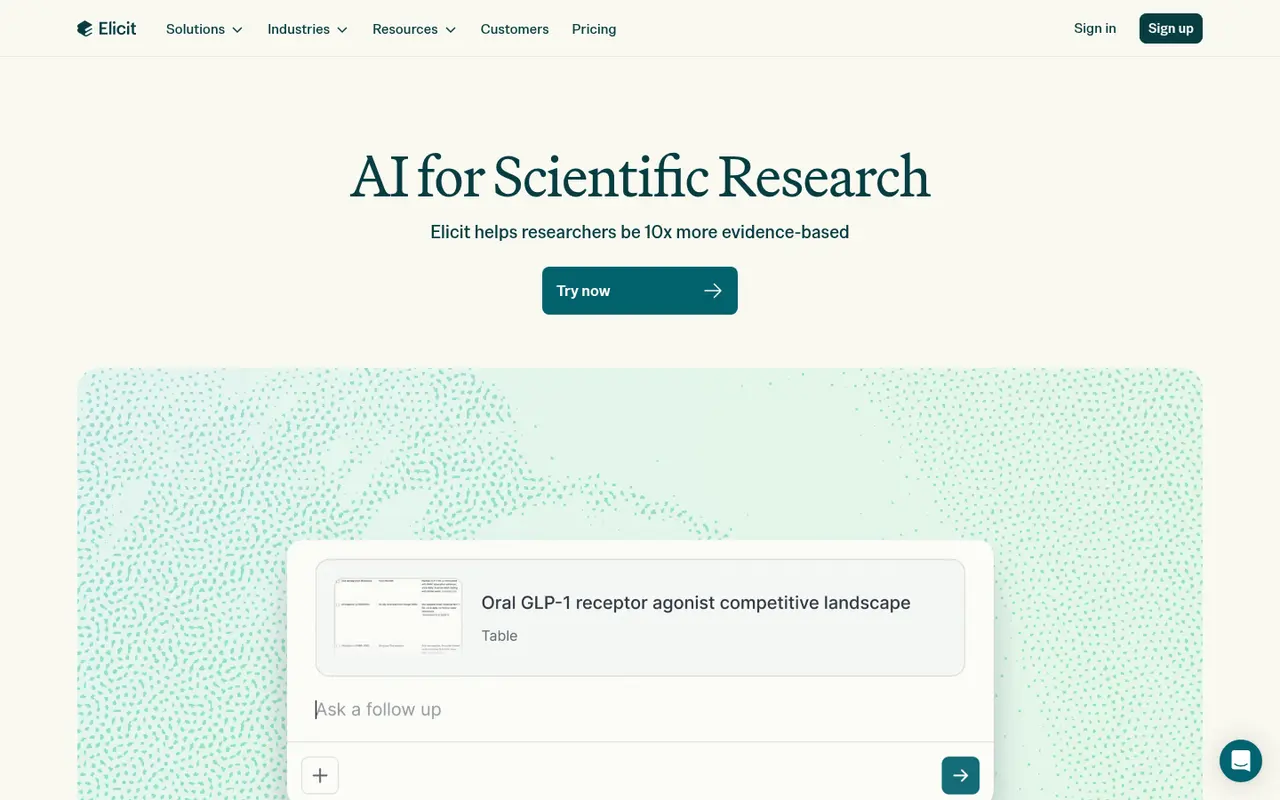
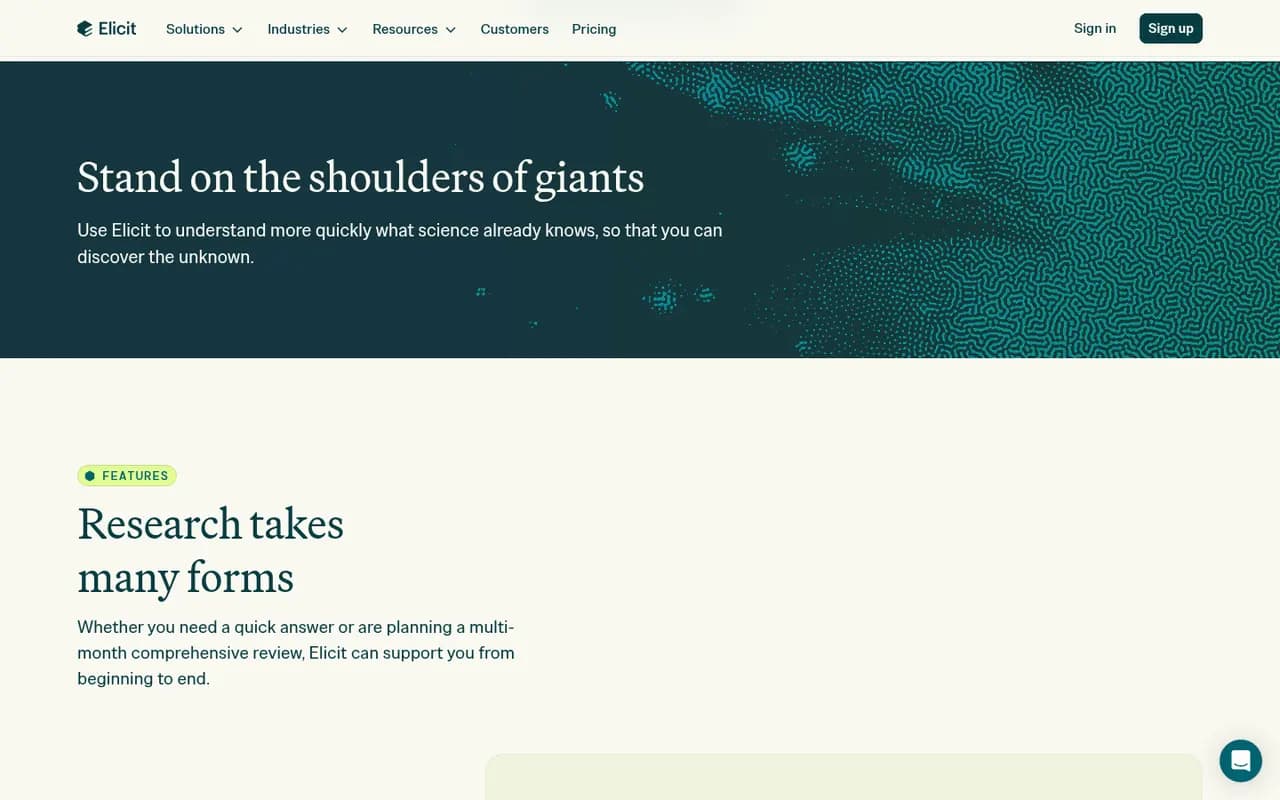
Elicit is "AI for scientific research". It searches "over 138 million academic papers and 545,000 clinical trials", produces fully cited research reports, and supports systematic literature reviews with custom data extraction. Its Research Agent gathers evidence across scientific databases, journals, public data and documents you upload, and creates cited artifacts such as reports, tables and slides.
Who it's for
- Nonfiction authors writing evidence-heavy books in health, science or policy.
- Academic writers and PhD students doing literature reviews.
- Writers with research teams that need extraction and screening at scale.
Novelists will rarely need it.
Key features in practice
- Semantic search. You "don't have to know all the right keywords".
- Research Reports. Structured reports with citations, generated from a question.
- Systematic Literature Reviews on Pro, with "PRISMA-grade screening and extraction accuracy" on Scale.
- Custom extractions from uploaded papers: pull the same fields (sample size, outcome, method) from many studies.
- Zotero import, even on the free plan.
- Explanations for AI answers and multiple output templates on Pro.
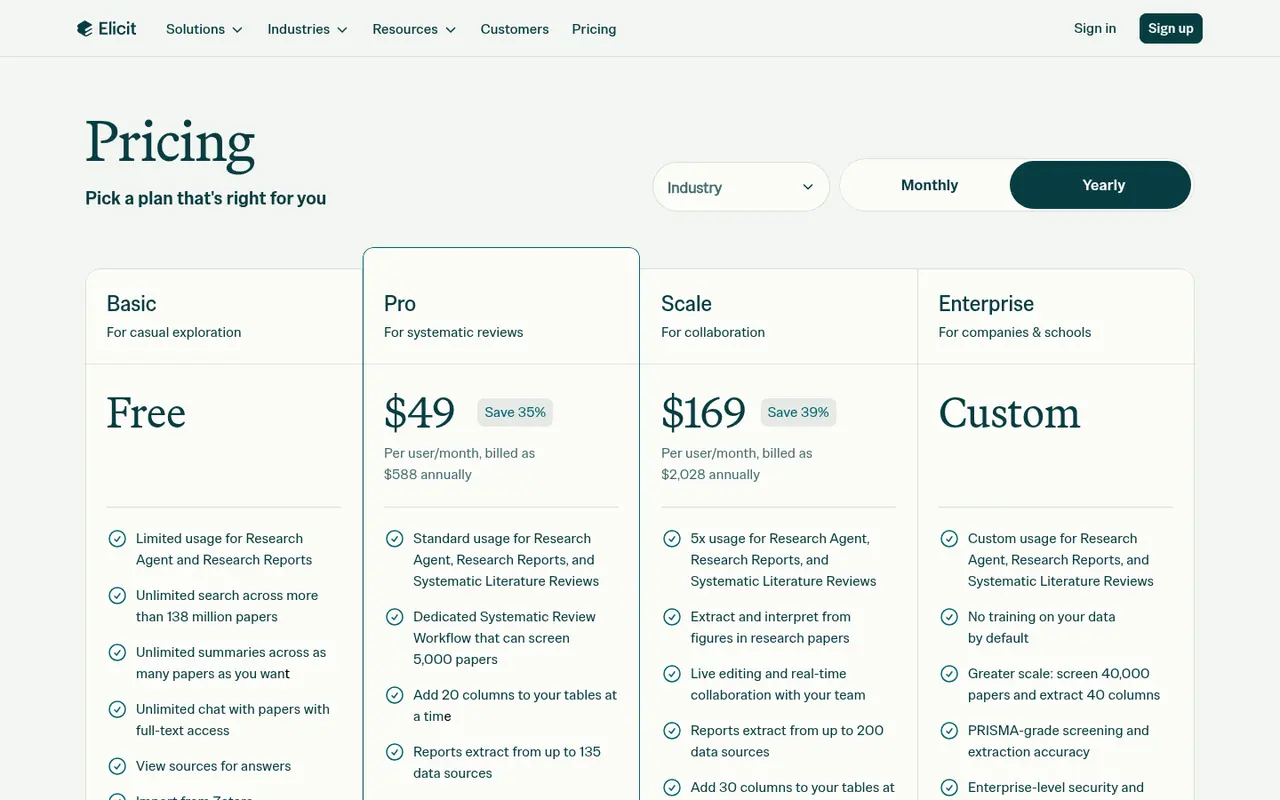
Pricing (checked 14 October 2026)
| Plan | Price | For |
|---|---|---|
| Basic | Free | Casual exploration; limited Research Agent and Reports; view sources; Zotero import |
| Pro | $49 per user/month, billed $588 annually | Systematic reviews, Routines, custom extractions |
| Scale | $169 per user/month, billed $2,028 annually | 5x usage, SSO/SAML, dedicated success team |
| Enterprise | Talk to sales | Custom data sources and templates |
The page shows "Save 35%" (Pro) and "Save 39%" (Scale) for yearly billing. Check the monthly price on the vendor site.
Pricing at a glance
- BasicLimited Research Agent and ReportsFree
- ProSystematic reviews, custom extractions$49/mo
- Scale5x usage, enterprise security$169/mo
Using it as a writer
- Start with a precise research question, the way a reviewer would frame it: population, intervention, outcome.
- Generate a report, then read the top papers yourself.
- Build an extraction table for the studies that matter: sample sizes, effect sizes, caveats. That table becomes your chapter's backbone.
- Import your Zotero library so new and existing sources live together.
- Use Free for exploration, and pay for a month of Pro when you're writing the evidence-heavy chapters.
Strengths
- Rigour: designed for systematic reviews, not quick answers.
- Extraction tables save days of manual work.
- Free tier and Zotero support.
Writer's Toolbelt editorial scores
Elicit scorecard
6.6/10
- Source quality9/10
- Depth (reviews and extraction)9/10
- Ease of use7/10
- Fit for fiction writers2/10
- Value for a solo writer6/10
Weaknesses
- Expensive for individuals next to Consensus.
- Academic scope only.
- Learning curve for review workflows.
How it compares
- Elicit vs Consensus. Consensus is cheaper and faster for quick evidence questions. Elicit is deeper for structured reviews.
- Elicit vs scite. scite focuses on citation context, showing whether later papers support or contrast a claim.
- Elicit vs NotebookLM. NotebookLM works only on sources you upload. Elicit finds the sources for you.
Feature comparison
AI research tools compared
| Feature | Consensus | Elicit | Scite | Perplexity | NotebookLM |
|---|---|---|---|---|---|
| Free plan | Yes | Yes | No | Yes | Yes |
| Lowest listed paid price | Yes$12 | Yes$49 | Yes$12 | Yes$17 | Yes$4.99 |
| All paid tiers have published prices | Yes | Yes | PartlySome tiers: contact sales or check vendor site | PartlySome tiers: contact sales or check vendor site | PartlySome tiers: contact sales or check vendor site |
| Competes with ProseEngine (we disclose) | No | No | No | No | No |
Verdict
Elicit is excellent if your book depends on reviewing a body of research carefully. For occasional fact-checks, Consensus or the free Basic plan is enough.
FAQ
Is Elicit free? The Basic plan is free with limited usage.
How much is Elicit Pro? $49 per user per month, billed $588 annually, as of 14 October 2026.
Does it work with Zotero? Yes. Zotero import is listed even on the free plan.
Nearby on the shelf
Drafting
ChatGPT
The general assistant most writers already have open. Useful for brainstorming, blurb variants, and line rewrites if you paste the scene and say what you want. It does not hold a novel together unless you build that memory yourself with projects or files, and it will invent sources if you let it.
Best for Writers who want one flexible assistant and will bring their own outline, pages, and skepticism.
FreemiumFiction and nonfictionDrafting
Claude
A general assistant that writers often prefer for long passages, tone, and a calmer revision pass. Projects can hold notes and chapters you upload. It is still a chat, not a novel app: continuity across a whole book is only as good as the pages you put in front of it.
Best for Drafting and revision when you want a careful reader more than a plot machine.
FreemiumFiction and nonfictionResearch
Consensus
Searches scientific papers for what the evidence says about a question, and tries to show agreement rather than a single link. Good for 'does this claim hold up?' and a poor place to learn narrative craft. Read it as a map of a literature, then go to the studies that matter.
Best for Nonfiction writers checking whether a popular claim survives contact with research papers.
FreemiumNonfiction